Publikacje Autora

Dzielimy się wiedzą

ekspercką o controllingu i sprawozdawczości finansowej

ERP a EPM

EPM vs ERP: does a company that has an ERP still need an EPM system?

The CFO of a mid-sized company usually has an ERP, Excel and one or two people in controlling. ERP shows well what has happened. Questions about the reasons and about what comes next end up in spreadsheets, and those are exactly the questions an EPM system answers. Whether you need both systems depends on your scale and on how your finance department works.
Czytaj więcej »
Controlling produkcji excel

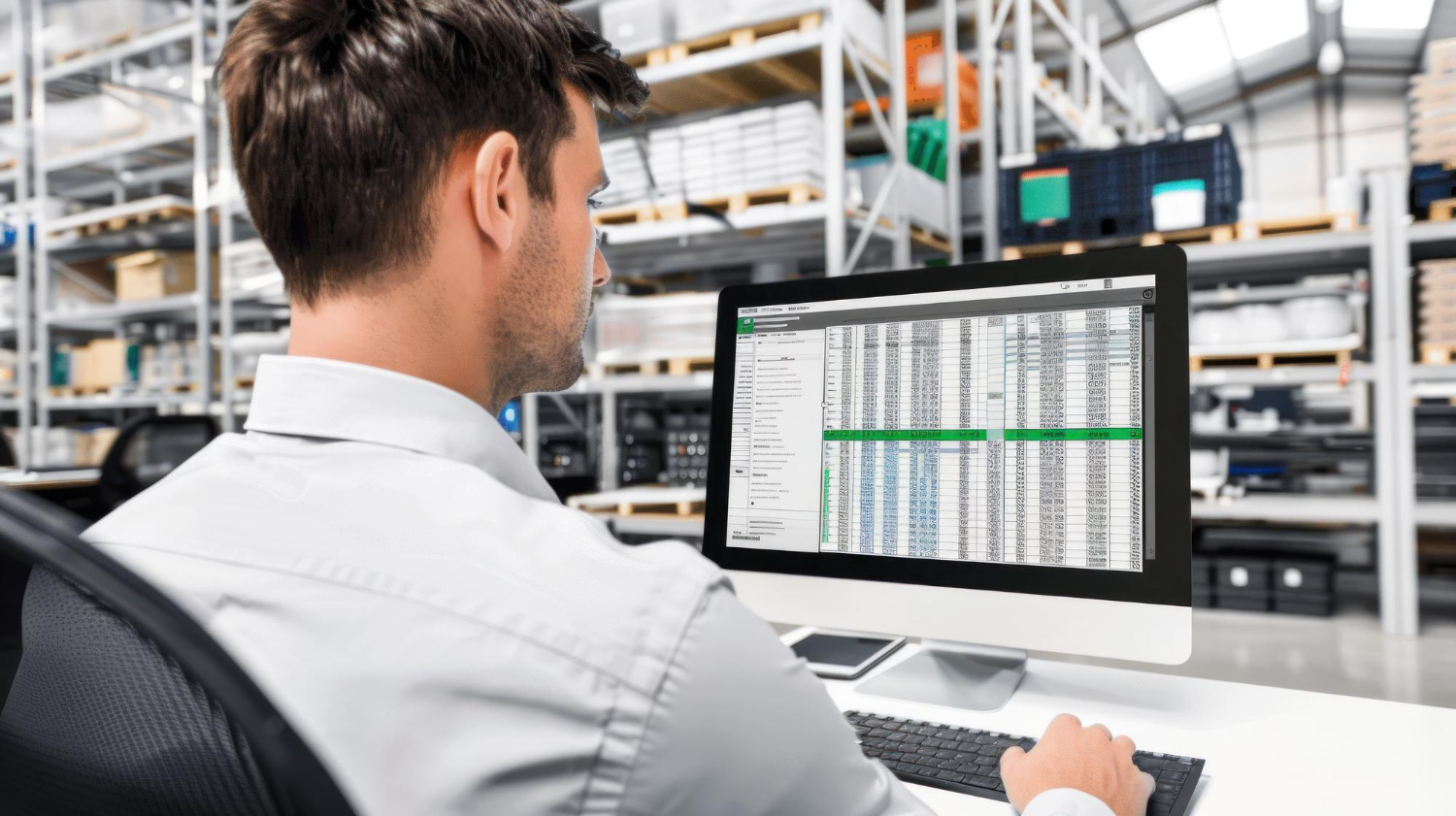
Production controlling without Excel. How FlexiEPM combines data, costs and planning in one system

Production controlling is one of the most complex areas of financial management in manufacturing companies. Data from production, sales, accounting and logistics often lives in separate files and systems, and Excel becomes the bottleneck of the whole process. In this article we show what a FlexiEPM implementation looked like in practice: from putting the data in order, through the COGS calculation model, to planning costs, sales and production in one consistent environment.

Czytaj więcej »
excel w controllingu

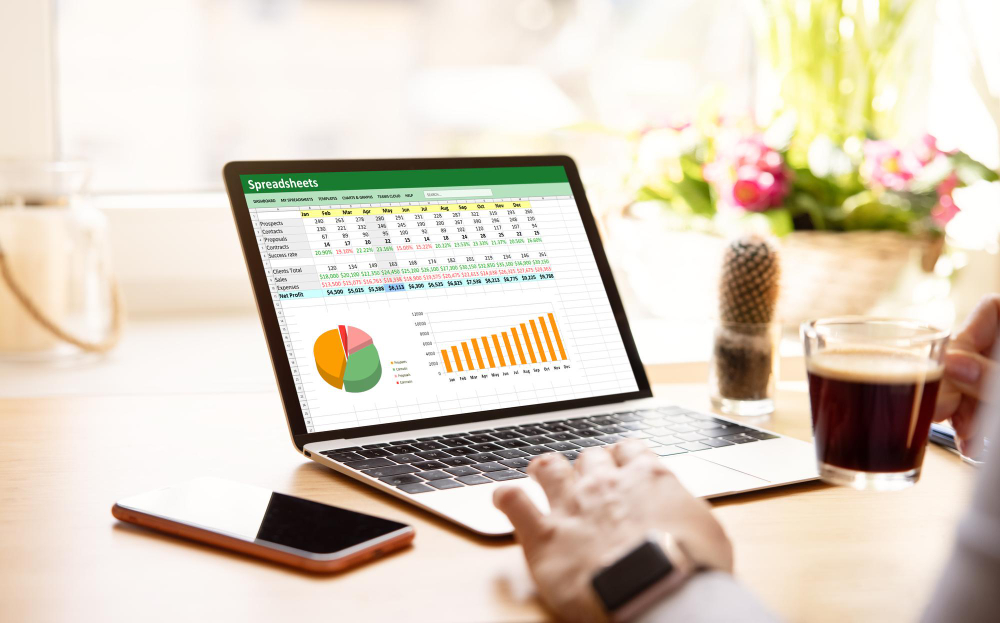
Excel in controlling: why it stops being enough and how FlexiEPM builds the foundation for a modern data warehouse

For years Excel has been the basic tool of controlling. It gives freedom of modelling, speed, flexibility and the ability to create any analysis. Every controller knows it inside out, so companies naturally build more and more processes on it: from budgeting and forecasts, through reports, to analyses and simulations.
But Excel has its limits. And these limits only become noticeable when the organisation grows: there are more users, departments, versions and models, and the flow of data starts to require something more than files sent by email.

Czytaj więcej »

Implementing an EPM system: the role of the IT department and data security in practice

Implementing an EPM system combines technical, process and organisational issues. Its success depends on the architecture and functionality of the software, the ability to organise internal processes, and the experience and competence of the implementation partner. An issue that is often overlooked is cooperation between the implementation team and the client’s IT department. Yet in on-premise implementations it is the internal IT department that guarantees the stability and security of the system.

Czytaj więcej »
controlling firm produkcyjnych

7 typical challenges in controlling at manufacturing companies and how to solve them

Controlling in manufacturing companies is one of the most complex tasks in finance. Production generates a huge amount of data: from ERP, MES, the warehouse, accounting, maintenance and even HR planning. Each system has its own way of recording costs, its own units of measure and schedules.

As a result, although the data exists, a consistent picture of profitability is missing. CFOs and controllers often rely on ERP reports or Excel spreadsheets that do not show the full truth about manufacturing costs and product margins.

Czytaj więcej »
IFRS accounting

IFRS 16 – How to manage lease accounting?

If you want to ensure that your lease contracts are accounted for in full compliance with IFRS 16, there are several practical approaches you can choose from. You can rely on an Excel-based model, outsource the process to an external consulting firm, or implement dedicated software that automates IFRS 16 valuation and accounting. In this article, we compare the three most common IFRS 16 accounting scenarios, outlining their benefits, limitations, and risks. This overview will help you assess which solution best fits the scale of your lease portfolio, internal competencies, and audit requirements.

Czytaj więcej »
Konsolidacja grupa kapitałowa

How to automate financial consolidation in corporate groups: a practical guide

In many corporate groups, financial consolidation still relies on Excel spreadsheets, manual adjustments and files exchanged between companies. The result? A high risk of errors, a longer period-end close and a lack of transparency for the management board and auditors. One way to automate this process is FlexiEPM, a system for consolidation and financial reporting. We show how it works in practice and which problems it removes.

Czytaj więcej »