Mikołaj Dziugieł, CTO at FlexiSolutions, explains what a FlexiEPM implementation looks like from the IT side. In this article you will find a specific checklist covering all IT issues related to implementing an EPM (Enterprise Performance Management) or FP&A (Financial Planning and Analysis) system.
What you will learn from this article
1. On-premise, SaaS or IaaS implementation?
We implement FlexiEPM in an IT environment managed by the organisation. Why?
- The nature of the data stored in the system requires the organisation to have maximum control over its security, confidentiality and processing. Sensitive financial data is not transferred outside the company in any way – results, profitability figures, budgets and forecasts are protected in line with the company’s security standards.
- Integration with existing systems. Automating reporting, allocation or consolidation processes requires building interfaces with the ERP, financial and accounting and CRM systems or the data warehouse. In most cases these systems run on the company’s servers. For this reason, an EPM system architecture based on resources located in the organisation’s domain simplifies the design and speeds up the data exchange interfaces between the source systems and FlexiEPM.
- Easier cost control. The trend of moving all systems to the cloud is clearly slowing down. IT departments increasingly conclude that the cloud can be expensive. Fees calculated on the basis of many parameters that cannot always be fully planned make it difficult to budget costs. In addition, data transfer fees can be a significant vendor lock-in barrier: the company critically needs the data processed in the EPM or FP&A system and, if it changes the system, it has to reckon with significant costs of archiving the data and migrating it to a new environment.
IaaS – FlexiEPM implementations in Microsoft Azure or Amazon Web Services
An IT environment managed by the organisation means that FlexiEPM can be successfully implemented on resources provided in the cloud. Instead of their own servers, our clients successfully provide colocated servers or complete system environments (Windows Server + IIS + MS SQL Server) run on platforms such as Microsoft Azure or Amazon Web Services.
The hybrid IaaS (Infrastructure as a Service) model is very often chosen by companies implementing FlexiEPM. Colocated servers permanently connected to the client’s network and Active Directory create an architecture that combines the control and security typical of own resources with the flexibility and scalability characteristic of cloud environments.
SaaS – flexible FlexiEPM licensing
Flexi offers flexibility in designing models and in managing licence costs. The software can be used under the traditional perpetual licence model (a one-off purchase combined with a subsequent maintenance service that gives the right to use new versions and updates) or under renewable licences.
With the latter option, the costs of using the software are the same as for a Software-as-a-Service offering. Recurring payments adjusted to the actual number of users and companies replace a one-off expense that requires capitalisation. The choice is up to the client, which makes it possible to match the financing of the project to budget constraints and the company’s investment policy.
2. Data security – design, processes and audits
We design FlexiEPM as a system for large organisations that need full data security and a high level of confidentiality. When we analyse the security of the system and the data, we combine technology issues with areas that concern the organisation and its procedures. At the technology level, the protection and confidentiality of data are ensured, among other things, by elements that govern how the system works:
- A three-tier system architecture that ensures the data layer is separated from business users by a dedicated IIS application server. Communication between all layers of the system is encrypted, and the system API is available only over HTTPS secured with an SSL certificate.
- Users are authenticated using Active Directory credentials. In this way, the procedure for granting and revoking access to the system can be handled centrally, and no additional authorisation mechanisms based on passwords stored in external systems are required.
- The system also supports domain-independent login with multi-factor authentication (Google Authenticator, Microsoft Authenticator) and login via Microsoft Entra ID, i.e. Microsoft’s cloud identity that works independently of the local domain. This is particularly useful where the infrastructure is not fully uniform, for example after mergers or acquisitions.
- Optionally, FlexiEPM can encrypt data at rest (i.e. data stored in the SQL database). This is an additional option that protects sensitive data against unauthorised access other than through the application. Such a configuration can be used to ensure maximum confidentiality of HR data (e.g. the payroll budget) and eliminate the risk of this type of information leaking as a result of an indiscretion or error by IT administrators who have access to the system database (or its backup).
- The system infrastructure is under the control of the IT department. Technical security measures such as operating system updates, security and monitoring software, and disaster recovery procedures are introduced and applied in line with the organisation’s internal security policy.
At the organisational level, FlexiSolutions as the vendor and integrator of the system ensures that:
- The software is designed and developed in line with best practices and industry standards. System security issues are subject to regular review. The team responsible for software development monitors vulnerabilities identified in the components and third-party software used, and introduces the updates required to eliminate them.
- The software has undergone independent security testing by a specialist provider of such services. The test report can be made available to the client’s organisation on request.
- FlexiSolutions has an internal information security policy, which we review and update every year. In 2024 we underwent a personal data protection (GDPR) audit. Client data is not copied outside the project environment, and all IT resources used by FlexiSolutions to provide implementation and support services are appropriately secured. We sign NDAs and personal data processing agreements with clients. FlexiSolutions’ activities are covered by liability insurance, including professional liability, with a sum insured of PLN 5 million.

3. Architecture and environment requirements
FlexiEPM uses an architecture based on Microsoft technologies.
- Microsoft SQL Server. The central element of the system is the MS SQL Server database. This is where all the data needed to run performance management processes effectively is stored and processed. FlexiEPM processes data in a multidimensional model using its own built-in OLAP engine and Microsoft Analysis Services.
- Windows Server + IIS. The application layer is provided by an API developed in .NET technology. The IIS application server ensures the security of the solution and efficiently connects the business users’ interface with the multidimensional MS SQL Server data model.
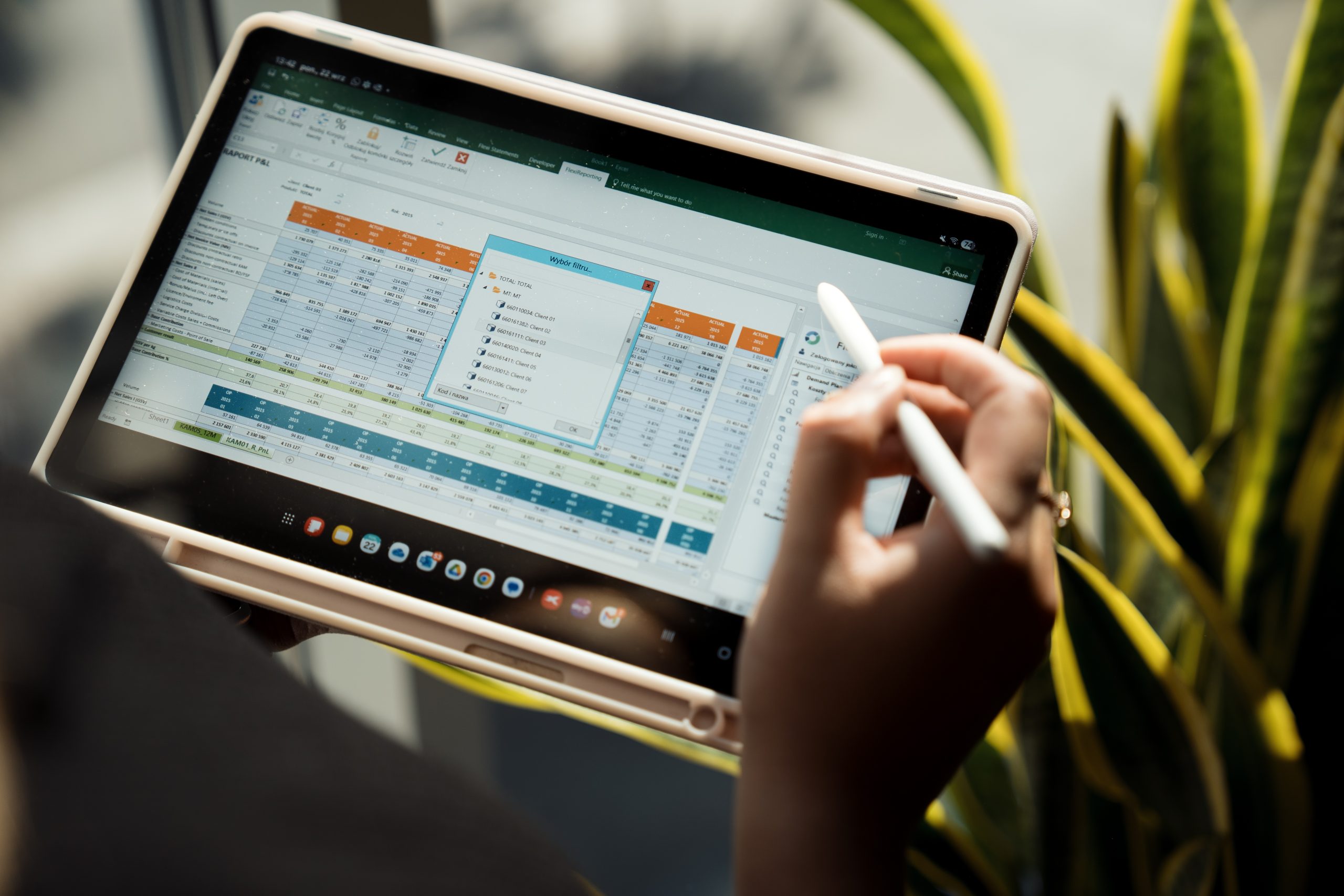
- Microsoft Excel. The FlexiEPM user interface is embedded in the spreadsheet environment. This ensures maximum usability and intuitive work with the system for controllers and managers. Unlike many competing solutions, the FlexiEPM Excel interface provides 100% of the solution’s functionality. It is not a simple add-on that fills gaps in the ergonomics of working with data, but a complete solution that lets end users work effectively in their preferred environment.
- Power BI. FlexiEPM integrates very well with Power BI. A system for budgeting, forecasting and consolidation fills the process gap and is an optimal data source for management reports and dashboards created in Power BI. FlexiEPM integrated with Power BI combines:
- transparent management reporting and cost allocation processes,
- ease of creating and updating budgets and forecasts and the ability to monitor their execution,
- optimal presentation and visualisation of the company’s financial results and performance.
FlexiEPM was designed for corporate use. The system architecture allows 100+ end users to work in parallel. The application layer uses multithreaded processing and SQL query optimisation. Thanks to these mechanisms, the solution (provided the appropriate hardware parameters are ensured) guarantees high performance and reliability in budgeting or consolidation processes that involve many users from different entities or branches of the organisation at the same time.
We scale the system by increasing RAM and CPU resources to improve the performance of the technical infrastructure. Virtualising environments and using advanced replication mechanisms allow IT departments to allocate flexibly and efficiently the resources required to ensure the desired system performance. In addition, they can combine or separate the roles of physical and virtual servers to effectively maintain the required performance or level of security.
We present detailed technical requirements only once we know the business needs and thoroughly understand the processes supported by the system.
4. Implementing FlexiEPM from the IT department’s perspective
The IT department is an important party to the project of implementing an EPM or FP&A system. Internal architects and administrators should be involved in the project work as early as the vendor selection stage, in order to assess the compliance of the proposed solution with the organisation’s IT standards and the costs of adapting the infrastructure to the needs of the new system.
Although the involvement of the IT department is critical to the success of the project, most of the project work is carried out by FlexiSolutions together with the finance and business teams. Typically, implementing a new system requires the involvement of internal IT experts for no more than 40–80 working hours (i.e. effectively 1–2 weeks of one person’s work).
The main tasks that remain with the internal IT department include:
- preparing the project environment in line with the technical requirements of the system,
- providing access to the environment for the vendor’s project team (usually configuring VPN access and Active Directory accounts that allow connection to the system servers),
- supporting (supervising) the installation of the software in the organisation’s environment,
- developing the assumptions for integration with existing systems and working with the vendor to make the relevant source data available (this task can be carried out by the internal IT department or by engaging the consultants or experts who provide maintenance for the ERP, financial and accounting or HR and payroll system),
- migrating the solution to the production environment and including the new system in the internal disaster recovery procedures,
- accepting the technical documentation of the system and developing an effective support model between users, finance, IT and the vendor.
5. Support and maintenance of the system after the project
From the IT department’s perspective, the end of the implementation project means the start of support and maintenance of the EPM or FP&A system.
The recommended system management model is based on the following division of roles:
- Business administrator – a person or team responsible for configuring and coordinating the business processes run in the system. These are most often suitably trained specialists from the business departments (controlling, consolidation, HR) who use the new system in their daily work. Business administrators have the knowledge and skills needed to provide first-line support for end users and to respond to typical events that require a change or adjustment of the system configuration (a new general ledger account, a new product, customer or project, a change in user permissions, a modification of a report or input template).
- IT administrator – a dedicated role within the IT department responsible for monitoring the operation of the system and ensuring that the infrastructure complies with the organisation’s security standards. Typical tasks include keeping system components up to date (Windows, SQL Server, Excel), managing backups, monitoring performance and incidents, and ongoing security audits of the system.
- FlexiSolutions – the vendor’s consultants can act as third-line support. They are responsible for stabilising the system after go-live and can provide a support service with the required SLA parameters for resolving issues and modifying the system in line with the organisation’s current needs.
We handle service requests in JIRA. The client can enter them directly in the system or submit them by email or phone.
Do you have more questions about implementing an EPM system?
In this article we cover the questions IT departments most often ask about implementing FlexiEPM as a system for budgeting, management reporting, cost allocation or consolidation. We explain how the architecture works and which requirements have to be met. If you would like to discuss your organisation’s needs, contact us and we will agree the next steps together.