From 2027, companies reporting under International Financial Reporting Standards will start reporting in accordance with IFRS 18, which will replace the currently applicable IAS 1.
The two key challenges here are:
- switching to reporting in the new structure,
- bringing the comparative data (2026 data) into the new structure.
Key takeaways
- IFRS 18 divides the statement of profit or loss into five categories: operating, investing, financing, income taxes and discontinued operations. The operating category includes all income and expenses not classified in the other categories.
- Preparation starts with reviewing the accounting policy and separating accounts, so that data from the accounting system can be easily assigned to the right categories.
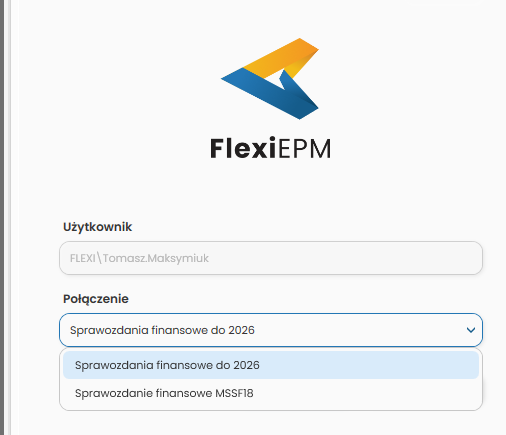
- In FlexiEPM, data can be prepared in two versions: statements up to 2026 and from 2027. Organisations that already use FlexiEPM can duplicate the system and choose the statement version when logging in.
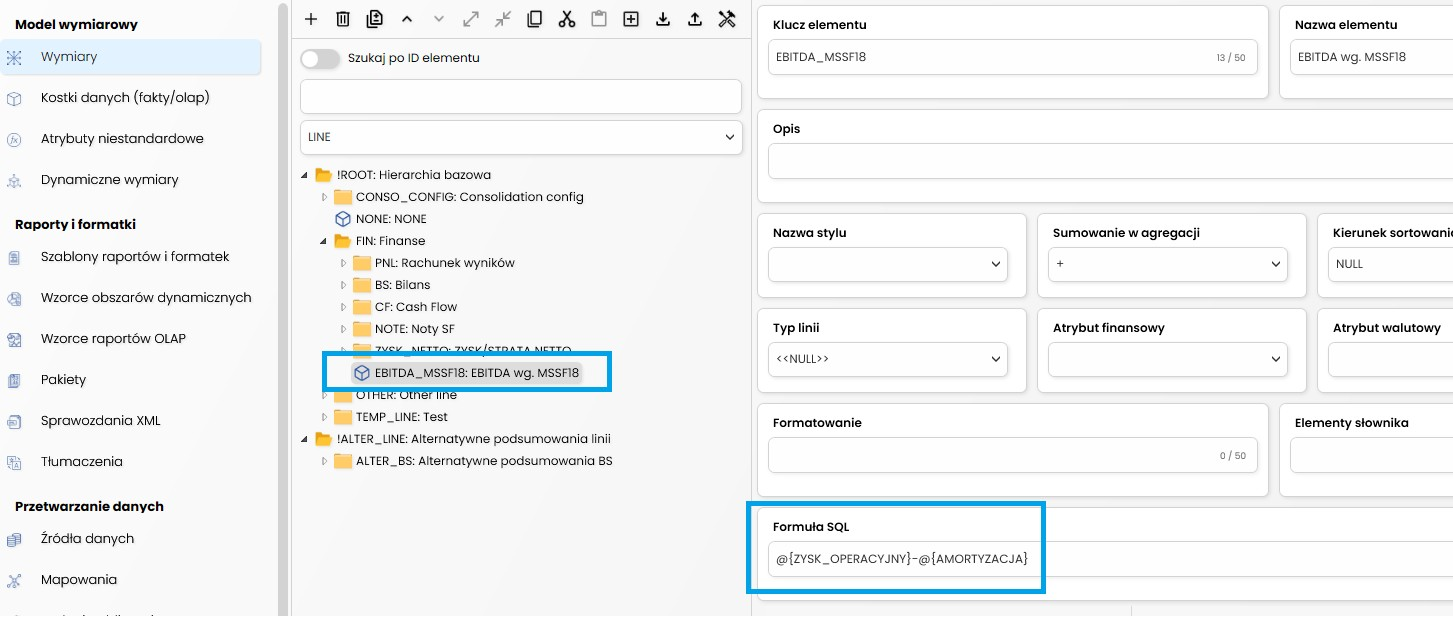
- The business administrator creates new measures and indicators in FlexiEPM independently, with a simple calculation. The system calculates them across all reporting dimensions and shows where the data comes from.
What you should know about IFRS 18
Three important things to know about IFRS 18:
- IFRS 18 changes the presentation of financial statements, in particular by dividing the statement of profit or loss into categories: operating, investing, financing, income taxes and discontinued operations.
- Commission Regulation (EU) 2026/338 of 13 February 2026 specifies which income and expenses are classified in each category. Paragraph 52 also gives an important indication: an entity classifies in the operating category all income and expenses included in the statement of profit or loss that are not classified in the investing category, the financing category, the income taxes category or the discontinued operations category.
- The standard also requires the presentation of MPMs (management-defined performance measures).
The way data is presented in the individual categories will affect the value of the indicators calculated later.
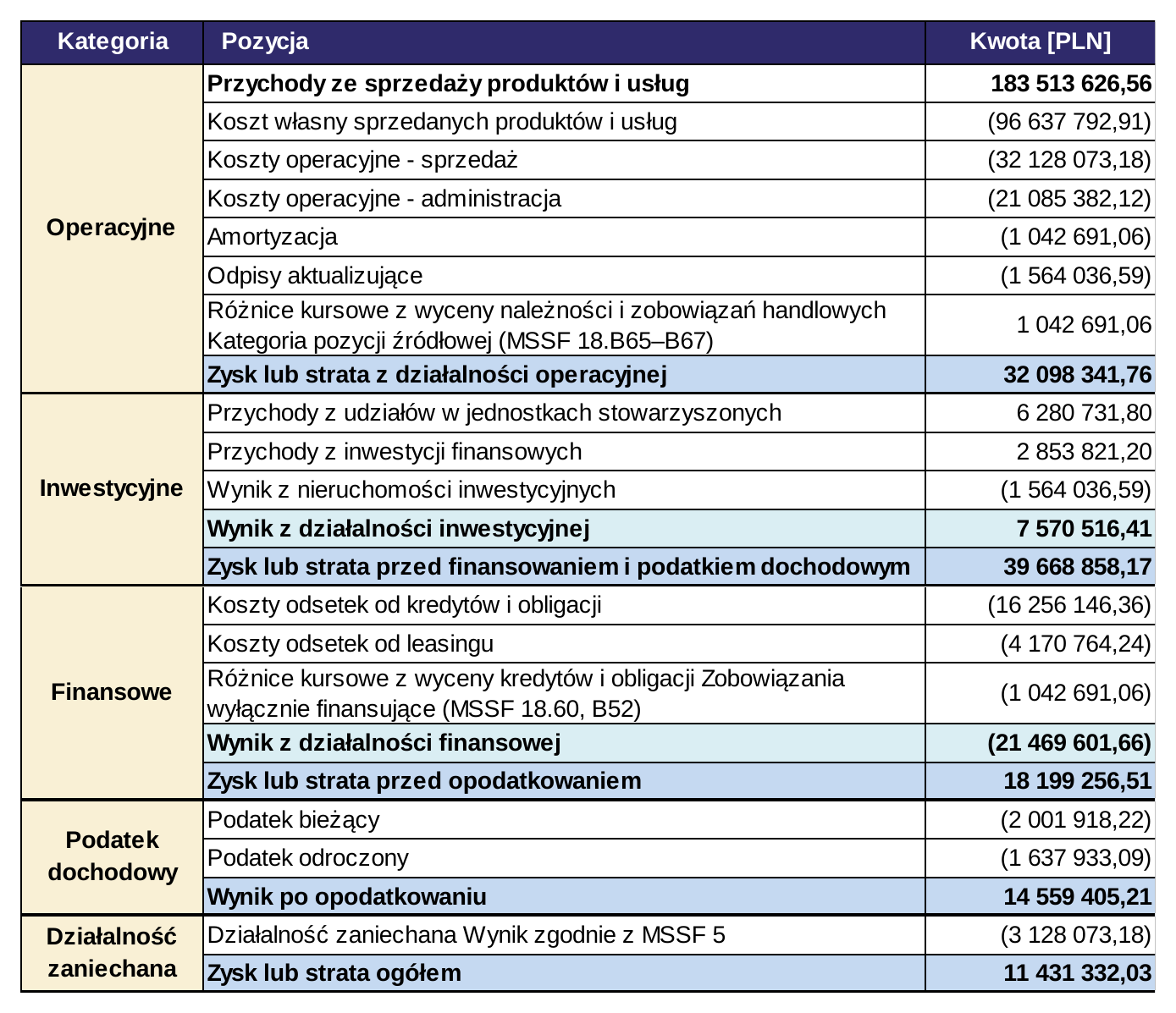
There is a lot of guidance on what the presentation of results may look like. Based on the first information, we can sketch out a sample statement of profit or loss.
How to approach preparing the statement of profit or loss under IFRS 18?
The first and probably the most important step is to review the accounting policy and separate accounts for recording transactions related to different types of activity, so that the data needed for correct classification and presentation can be easily retrieved from the accounting system, in particular for income and expenses so far described as “other operating” or “financial” activities.
Preparing the input data properly makes it possible to automate the preparation of the financial statements to a significant extent.
The next step may be deciding whether to automate the process.
The scale of the business and the complexity of the financial statements matter here. For larger organisations we suggest working with an EPM system (Enterprise Performance Management).
How does an EPM system such as FlexiEPM help with the move to IFRS 18?
FlexiEPM makes it easier to prepare data in two versions, for example:
- statements up to 2026,
- statements from 2027.
For organisations that already use FlexiEPM, the fastest way to make the change may be to duplicate the system, leaving the statements in the archived layout in one part and updating the reporting structures based on the new guidance in the other. This gives users the comfort of access to the old version of the statements and makes it possible to adapt historical data to the new structure (data for the comparative period of the statements prepared in 2027). It is like having your cake and eating it.
All changes in the new instance of the system can be managed by the business administrator and the system users.
When logging in, users can choose between two or more reporting systems.
Consolidated data under IFRS 18 and intercompany eliminations
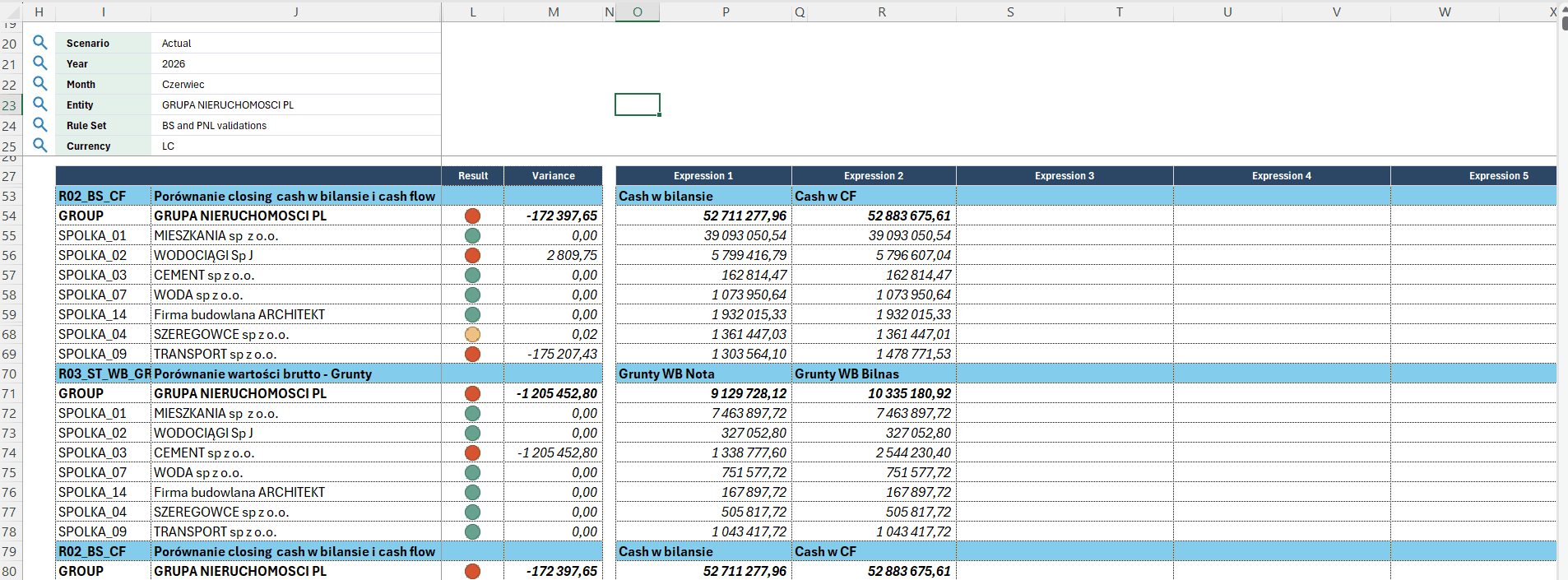
Transactions that generate exchange differences can be directed to a selected category of the statement of profit or loss. For eliminations, we create elimination rules in which we can indicate the appropriate exchange difference (FX) line for intercompany reconciliations. We use this where intercompany transactions have been reconciled in the transaction currency but are measured differently in the local books.
How to prepare MPMs (management-defined performance measures)?
The data in the financial statements should be prepared in a way that ensures compliance with IFRS 18. On this basis we can prepare the information and indicators that organisations later communicate publicly. If the management board communicates them to the market, they should be transparent and subject to audit, because ultimately investors may base their decisions on them.
The multidimensional data model of FlexiEPM makes it possible to build different levels of information:
- data from the accounting system,
- presentation adjustments,
- restructuring adjustments,
- final results.
FlexiEPM lets you see clearly where each figure comes from. Using simple system calculations, we can also create any measures and indicators. They are calculated automatically across all reporting dimensions. New system measures can be created independently by the organisation’s business administrators.