When Excel is no longer enough
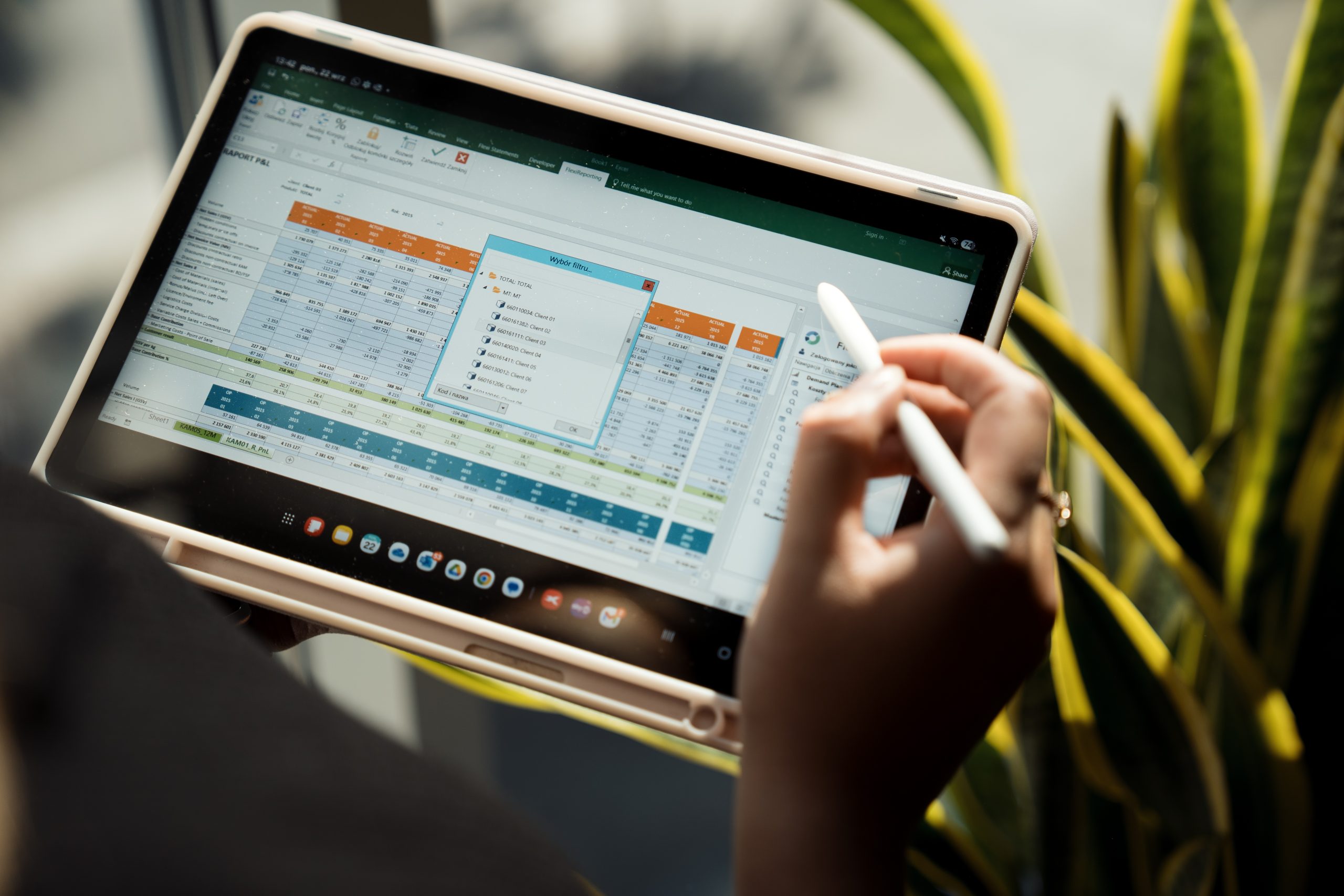
Flexible spreadsheets, familiar formulas and the ability to build reports quickly made it the “default EPM system” for many CFOs and controllers. However, the growing scale of operations, the complexity of regulations and time pressure mean that Excel starts to become a limitation.
In practice this means growing risk and additional costs. According to a HighRadius report, in 2025 30% of CFOs name cost reduction as their main priority. Meanwhile, working in Excel generates not only direct costs but also hidden ones: hundreds of hours spent on manually combining files, correcting errors and reconciling data within the group.
Every CFO or head of controlling knows this moment: the month-end close takes longer than it should, successive versions of Excel files circulate between departments and nobody knows which one is current, and adjustments appear at the last minute and upset the whole budget. Consolidating the group’s financial statements takes dozens of hours of manual work, and an audit means a nervous search for source evidence and attempts to reconstruct the history of changes.
At some point the organisation grows faster than the tools that used to be enough. Excel, or even extensive ERP systems, do not give full control over finance processes. This is the moment when the question naturally arises: is it time for an EPM system (Enterprise Performance Management)?
What you will learn from this article
- What the key differences are between an integrator and an EPM system vendor.
- Why working directly with the vendor makes the implementation more effective.
- What business and financial benefits the FlexiSolutions partnership model offers.
- Why Excel, despite its flexibility, is increasingly becoming a barrier to the development of controlling.
Why choose the vendor of the EPM system
The decision to implement EPM means a strategic change in the way finance is managed. Controlling departments want not only to automate reporting, but also to introduce consistent budgeting and consolidation processes. In such a project, what matters most is not the technology itself, but the level of competence of the implementation team.
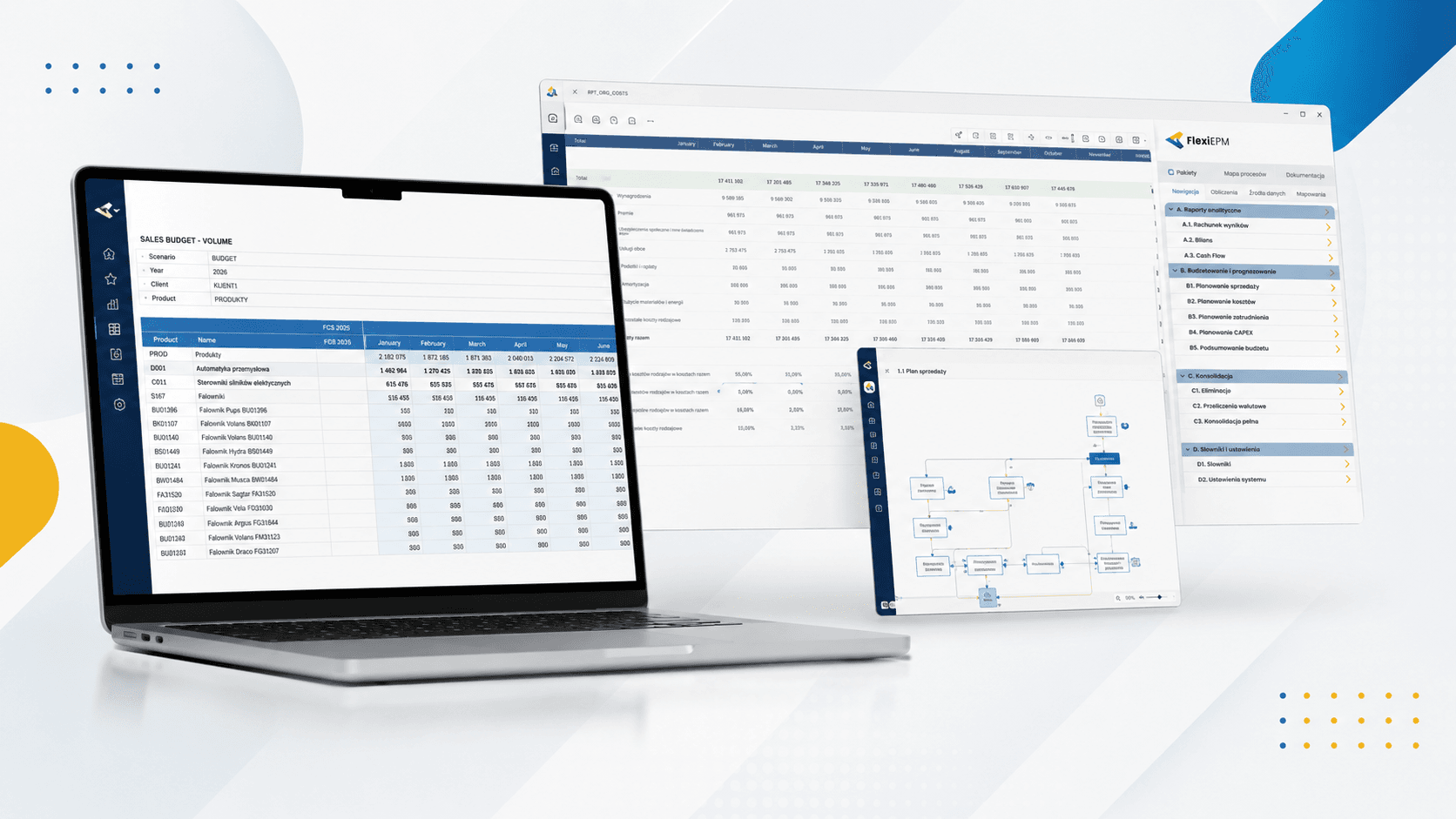
Working with the vendor directly, such as FlexiSolutions, the producer of FlexiEPM, helps avoid typical project pitfalls and achieve the full business value of the system.
1. Expert knowledge of the solution
For years FlexiSolutions has been developing FlexiEPM only. This means the implementation consultants know every module, from HR planning, through cost allocation, to consolidation in groups. What is more, they work with the developers every day, and their knowledge translates directly into practice.
In practice this means faster implementations without “trial and error”, full use of the system’s capabilities in controlling and reporting, and training delivered by people who not only implement the software but also help develop it.
An integrator that implements system A one day and system B the next will inevitably never reach that level of specialisation.
2. No conflict of interest
For an integrator, the choice of system often comes down to a profitability calculation: which vendor gives better commissions, discounts or partnership terms. It happens that recommendations follow not from the client’s actual needs but from the economics of sales.
FlexiSolutions does not have this problem. It offers only its own solution, FlexiEPM. As a result the recommendation is consistent, honest and free of any conflict of interest. The client can be sure it is being offered the best tool, not the one that is most profitable for the integrator.
3. Predictable and transparent costs
The licensing models of global systems can be complicated. Additional modules, more users or expanding the system often mean unforeseen costs.
FlexiEPM focuses on simplicity and transparency. At the contract stage the client already knows what the costs will be and how they will change in the following years. For the CFO this means being able to plan the investment in digitalising controlling safely, without worrying about hidden price increases.
4. Real influence on the development of the system
The FlexiEPM roadmap is built on client feedback. Users’ suggestions go straight to the development team and often become features in the next versions of the system.
As a result, FlexiEPM adapts quickly to changes in local regulations, the requirements of groups of companies and the specifics of the industries in which clients operate.
In global systems this kind of influence is small: priorities are set centrally, and the development cycle is counted in years.
5. Direct support and fast response
For CFOs and controllers, response time matters. A failure or a delay in reports can disrupt the month-end close and have real business consequences.
FlexiSolutions provides support directly from its own team: the helpdesk is run by consultants who know the system, work in Polish and in English, and can respond quickly to changes in regulations and adapt the system to companies’ real needs.
This is a major advantage over integrators, who often rely on global support centres, where language barriers and time differences make cooperation harder.
Summary
Excel and ERP systems combined with an accounting system work only up to a point. In fast-growing companies they become a brake: they lengthen processes, increase the risk of errors and generate hidden costs. Then the question is not only which EPM system to choose, but also who should implement it.
An EPM system such as FlexiEPM removes these problems and lets the CFO pursue key goals: cost reduction, data security and more efficient reporting.
But choosing the system is only half of the success. Who implements it matters just as much. Integrators offer a broad portfolio, but their competences are spread thin and their recommendations are burdened with a conflict of interest. The vendor of its own system, such as FlexiSolutions, offers instead:
- a high level of specialisation,
- no conflict of interest,
- predictable costs,
- real influence on the development of the system,
- direct support and fast response.
That is why CFOs and controllers choose FlexiEPM: a system created by experts, developed on the basis of clients’ needs and implemented by a team that knows it inside out.